
What Defines Budget-Friendly Rounds Without Sacrificing Reliability?

Find Cheap Ammo Without Sacrificing Quality: Smart Ways to Save on Bulk Ammunition
What shooter hasn’t wondered whether affordable rounds can still deliver dependable performance? Cheap ammunition typically refers to budget-friendly factory loads that prioritize cost efficiency through simpler projectiles, lighter powder charges, or bulk packaging, while still functioning reliably in most firearms. Its primary benefit is enabling more frequent practice without straining your wallet, which directly improves muscle memory and shot consistency over time. For best results, test a few low-cost brands to confirm your specific gun cycles them smoothly, then buy in bulk for maximum savings per round.
What Defines Budget-Friendly Rounds Without Sacrificing Reliability?
Budget-friendly rounds that don’t sacrifice reliability come down to consistent manufacturing and a proven track record, not just the lowest sticker price. You want ammo that feeds, fires, and extracts every single time, even if it’s loaded with a slightly cheaper projectile or brass case. Look for brands known for tight quality control—often their “value” line uses the same powder and primers as premium stuff, just with simpler packaging or bulk boxes. A key trick is to test a small box first, and if it cycles flawlessly, buy in bulk.
Reliability is a factor of the gun’s tolerance, not the ammo’s price tag—so a $0.40 round that jams is worse than a $0.25 round that doesn’t.
Stick to standard bullet weights and avoid remanufactured or mystery-rebranded cartridges, as those are where hidden inconsistencies live.
Key Differences Between Bargain-Priced and Premium Cartridges
The core gap between bargain-priced and premium cartridges lies in **consistent quality control across the entire lot**. Budget rounds often use mixed headstamps, remanufactured cases, or slightly undersized bullets, which can cause occasional failures to feed or seal. Premium ammunition, by contrast, uses virgin brass, uniform primers, and stricter powder charges, delivering predictable velocity and reliable extraction in finicky semi-autos. For a defensive or competition gun, that consistency matters more than raw accuracy. For plinking, bargain rounds are fine—just check for loose primers and crooked crimps before loading. If a round fails to chamber, do not force it; discard it.
- Premiums use virgin brass; budget lines often use once-fired cases that may have weak primer pockets.
- Premium bullets have consistent ogives; bargain rounds can have deformed tips, hurting feed ramp reliability.
- Budget powder charges vary more, causing occasional weak recoil or failure to cycle .17 HMR Ammo for Sale a slide.
- Premium rounds are sealed against moisture; bargain options may corrode in long-term storage.
Why Lower Cost Doesn’t Always Mean Lower Performance

Just because a box of ammo is easy on your wallet doesn’t automatically mean it’s sloppy at the range. The real secret is that **budget-friendly rounds without sacrificing reliability** often come from simpler, bulk-packed manufacturing, not from bad materials. A basic round with a clean primer and consistent 5.56 Ammo for Sale powder charge will often group just as well as a premium one in a plinking gun, primarily because you’re not chasing extreme long-range accuracy. You’re paying less for skipping fancy nickel plating or match-grade bullet selection, not for skipping the core function of going bang and hitting a paper plate. The performance difference only shows up when you demand sub-MOA precision, which most casual shooters never need.
Common Calibers Where You’ll Find The Best Savings
The biggest wins in cheap ammunition come from sticking to calibers with massive production volume. 9mm Luger and .223 Remington/5.56 NATO are the undisputed kings of savings, with practice ammo frequently hitting rock-bottom prices per round. For handgun plinking, .22 LR is ridiculously affordable, but for centerfire, 9mm offers the best blend of low cost and reliable function. On the rifle side, .308 Win is pricier than 7.62x54R Ammo for Sale 5.56, yet still cheaper than exotic rounds. Steer clear of uncommon calibers like 10mm or .300 BLK if your wallet is the priority. Bulk-packed, basic brass-case 9mm and 5.56 from reputable brands (not remanufactured) deliver the best savings without compromising feeding or extraction.
How To Spot High-Value Ammo Deals For Range Days
To spot high-value ammo deals for range days without sacrificing reliability, first calculate cost per round—not just box price—and compare it against brass-case bulk brands like Sellier & Bellot or Blazer. Cheap ammunition becomes 7.62×51 Ammo for Sale a steal only if it feeds reliably in your firearm, so check online forums for your exact gun model’s jam reports before buying. Look for free shipping thresholds or flat-rate hazmat fees that disappear on large orders, and split a case with two shooters to halve logistics costs. Always verify the primer seal visually—corroded or flaking primers indicate poor storage, regardless of discount. For range drills, prioritize 100-round value packs over loose bulk that lacks consistent OAL, as short cartridges cause extraction failures. Finally, test one box first; if it cycles clean with no keyholing, then stock up while the discount code is active. High-value means per-shot savings you can actually shoot, not just per-box numbers.
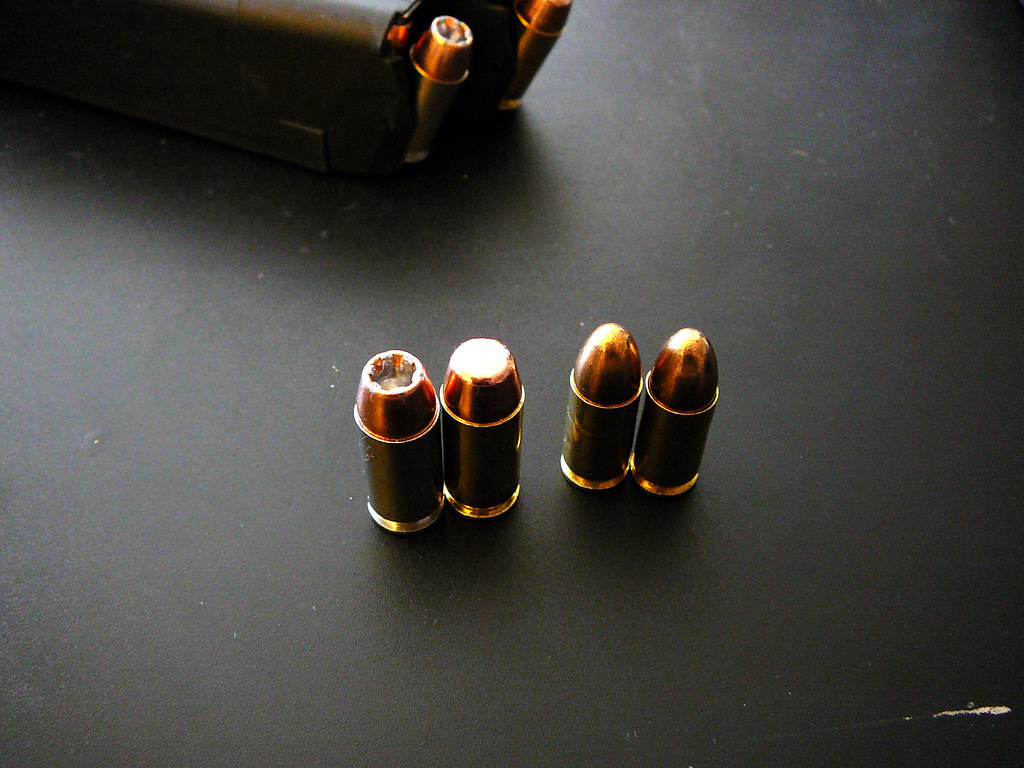
Steel Case vs. Brass Case: Which Saves You More Per Box?
When stacking range days, steel case ammo typically saves you 10–20% per box compared to brass, but that upfront win hides a trade-off. Steel’s polymer-coated or lacquered cases resist corrosion and are fine for plinking, yet they don’t expand and seal like brass—so you may face more carbon fouling and occasional extraction hiccups in tight chambers. Brass, though pricier, reloads dozens of times, driving its effective cost down to pennies per shot if you save your spent cases. For a pure per-box price, steel wins; for long-term value across multiple range trips, brass reclaims the crown.
Q: Does steel case always save you more per box than brass?
A: Only on the first purchase—brass’s reloadability makes it cheaper per box over a case’s lifetime, assuming you handload.
Buying In Bulk: When Does The Per-Round Price Actually Drop?
Bulk pricing isn’t a straight line; it usually drops in visible tiers, often at the 100-, 500-, and 1,000-round marks. The real threshold appears when you cross from a box to a case, where the per-round price specialty sports & supply can fall by 10–20% instantly, but only if you’re tracking shipping costs. A 200-round “value pack” rarely beats two 100-round boxes after tax. The sweet spot for true bulk ammo savings is typically the 500-round flat-rate case, since the per-round price plateaus there—buying 2,000 rounds rarely drops it further. Watch for free-shipping breakpoints; that’s when the per-round price actually drops, not just the sticker total.
Remanufactured Or Factory Seconds: Are They Worth The Risk?
Remanufactured or factory seconds can stretch a range-day budget, but only if you vet the source. Factory seconds—cosmetically imperfect but functional rounds—are generally safe, though you must check for consistent cartridge lengths and primer seating. Remanufactured ammo, however, involves pulled bullets and reused brass, so inspect a sample box for signs of over-crimping or split cases before buying. The real risk isn’t catastrophic failure; it’s feeding and extraction glitches that eat your shooting time. Follow this protocol:
- Buy only from brands that publish pressure-tested loads.
- Shoot 20 rounds from your specific firearm first.
- Scrap any lot with more than one misfire per 100 rounds.
If accuracy beyond 25 yards isn’t critical, these options offer savings without compromising safety—just never trust them for defensive carry.
Practical Ways To Stretch Your Shooting Budget Further

Stretching your shooting budget with cheap ammo starts by buying in bulk online—target rounds like 9mm or .223 often drop below 30 cents per round when you grab 500 or 1,000 at once, so skip the box-by-box trip to the gun store. Pair that with dry-fire practice at home to preserve live rounds; a snap cap and a laser trainer build trigger discipline without burning a single cartridge. Also, chase rebate deals from major manufacturers, then split the shipping with a buddy to cut costs further. For range days, shoot cheaper calibers like .22 LR for warm-ups and save your pricey defensive loads for the last few mags. Q: How do you make cheap ammo 7mm PRC Ammo for Sale last longer? A: Mix live-fire drills with dry-fire reps and prioritize accuracy over volume—shot count drops, but skill climbs.
Simple Storage Tips That Prevent Waste And Preserve Function
Properly storing budget ammunition prevents moisture ingress, which corrodes primers and degrades propellant. Keep boxes upright in a sealed, plastic container with a desiccant pack, avoiding temperature swings that cause condensation. Rotate your stock using a first-in, first-out system, firing older rounds first so they don’t become unreliable. For bulk-packed loose rounds, transfer them to airtight, compartmentalized trays to prevent primer-damaging rattle. Moisture control is the single most effective preservation tactic, as it maintains consistent ballistics and ignition, directly stretching your investment by avoiding duds and misfires. Leave factory packaging if intact; it offers excellent humidity buffering. Store away from direct sunlight to prevent powder breakdown.
Matching The Right Cheap Load To Your Firearm’s Twist Rate
Cheap ammunition often 7.62×39 Ammo for Sale comes in a narrow range of bullet weights, but your barrel’s twist rate dictates which of those budget-friendly loads will stabilize properly. A 1:7 twist handles heavy, inexpensive 77-grain bullets for precision, while a 1:12 twist prefers light 55-grain bulk ammo to avoid keyholing. Before stocking up on bargain rounds, check your twist rate—usually stamped on the barrel—and match it to the bullet’s length, not just its price. Testing one box of the cheapest load per weight class reveals whether it groups acceptably or produces erratic spin drift. This prevents wasting money on twist-mismatched bargain ammunition that fails accuracy standards. Prioritize the cheapest load that your twist stabilizes, not the lowest sticker price, to save on both ammo and frustration.
Match the cheapest bullet weight to your firearm’s twist rate to guarantee stabilization and accuracy, avoiding wasted rounds on unstable bargain loads.
Using Surplus Or Overrun Lots For High-Volume Practice
For high-volume practice, **surplus or overrun lots** deliver the lowest cost-per-round without sacrificing function. Military-surplus ammunition, often packed in sealed spam cans, is typically loaded to strict specifications and can be decades old yet still reliable. Overrun lots from commercial manufacturers—excess production beyond contract orders—offer new, factory-quality ammo at a steep discount. Both options are ideal for drills that burn hundreds of rounds, but verify the lot’s headstamp consistency and inspect for corrosion or loose primers before bulk purchase. Since overruns are one-off batches, buy enough to maintain your practice cadence; once gone, the price point disappears.

| Aspect | Surplus | Overrun |
|---|---|---|
| Typical source | Military stocks | Commercial contracts |
| Age risk | Higher (corrosion, hangfires) | Low (recent Ammo Cans & Storage for Sale production) |
| Best use | Rifle drills, bulk mag dumps | Pistol or carbine quals |
Always test a sample box for function and accuracy before committing to a case lot, then stockpile the identical lot number exclusively for your practice sessions.
What To Check Before You Commit To A Low-Priced Purchase
The moment you spot a screaming deal on ammo, your gut says stock up—but your thumb should hover. I once bought a pallet of bargain 9mm, only to find corroded primers that fired with an unsettling delay. Before you commit, inspect the physical condition of the cheap ammunition—look for tarnished cases, green patina on the brass, or dents that could cause feeding jams. Shake a box; if powder rattles loosely, the seal may be failing. Check the headstamp for consistency, and feel the bullet seating—a loose projectile means pressure problems. Crucially, fire a small sample from your actual firearm first. That saved me from trusting a batch that keyholed at ten yards. The real test isn’t the tag, but how it behaves when the slide cycles. Verify functional reliability before bulk investment, because a misfire at the range is cheaper than one when you need it most.
Spotting Corrosive Primers And How To Handle Cleanup
Before you stockpile bargain ammunition, **spotting corrosive primers** is a non-negotiable inspection step. Look for dark, rust-like residue around the primer pocket or a reddish ring on the case head—these are overt signs of potassium chlorate salts. If you suspect it, test by firing one round on a scrap target: corrosive primers leave a white ash that turns hygroscopic. Cleanup must be immediate and water-based, not solvent-only. Flush the bore, bolt face, and gas system with hot, soapy water or Windex, then dry and oil. Delaying even 30 minutes can etch steel. Never mix corrosive-fired brass with reloading stock until you’ve neutralized every trace of salt.
Reading Velocity And Grain Weight For Consistent Accuracy
Before locking in on bargain ammo, verify the **consistent accuracy** by reading the box’s velocity and grain weight—not just the price tag. Cheap loads often vary wildly, so compare the listed muzzle velocity against your firearm’s preferred range; a slower or faster round shifts your point of impact. Grain weight dictates recoil impulse and barrel timing, so a 115-grain load may group tight while a 124-grain “budget” round strings vertically. Test a few boxes, checking chronograph numbers to confirm the advertised speed matches reality. If the spread exceeds 50 fps between shots, accuracy suffers. Consistent accuracy demands matching grain weight to your barrel’s twist rate—ignoring this turns savings into missed targets. Follow this sequence:
- Note the printed grain and velocity on each cheap box.
- Shoot a 5-round group at 25 yards, recording impacts.
- Chronograph those rounds to spot velocity deviations.
- Choose the lot that holds tightest under your actual conditions.
When To Skip The Deal: Red Flags In Packaging Or Lot Numbers
A low price means nothing if the box hides a problem. Before you commit, inspect the packaging for tears, moisture stains, or crushed corners—these signal improper storage that can degrade primers and powder. A mismatched or hand-written lot number across multiple boxes is a major red flag in ammunition packaging, as it suggests repackaging or mixed headstamps. Similarly, a lot number that’s been scratched out or over-stamped indicates a recall or reject batch. Skip any deal where the seal is broken or the lot numbers don’t match consistently; your firearm’s reliability isn’t worth the gamble.
Common Questions Shooter’s Ask About Affordable Options
Shooters often ask if cheap ammunition will damage their firearm—the short answer is no, as long as it’s factory-new and within SAAMI specs. Another common question is whether budget rounds are accurate enough for practice, and most find that affordable options like steel-case or remanufactured loads are fine for plinking and drills, though you might see slightly wider groups at distance. People also wonder if they can mix cheap ammo with premium carry ammo; yes, just zero your optic with the cheap stuff and confirm point-of-aim with your defensive load. Finally, shooters ask if buying in bulk saves real money—it does, especially when you catch rebates, but stick to reputable budget brands to avoid squibs or hard primers. That’s the core of what folks want to know before they commit.
Will Inexpensive Rounds Cause More Wear On My Gun?
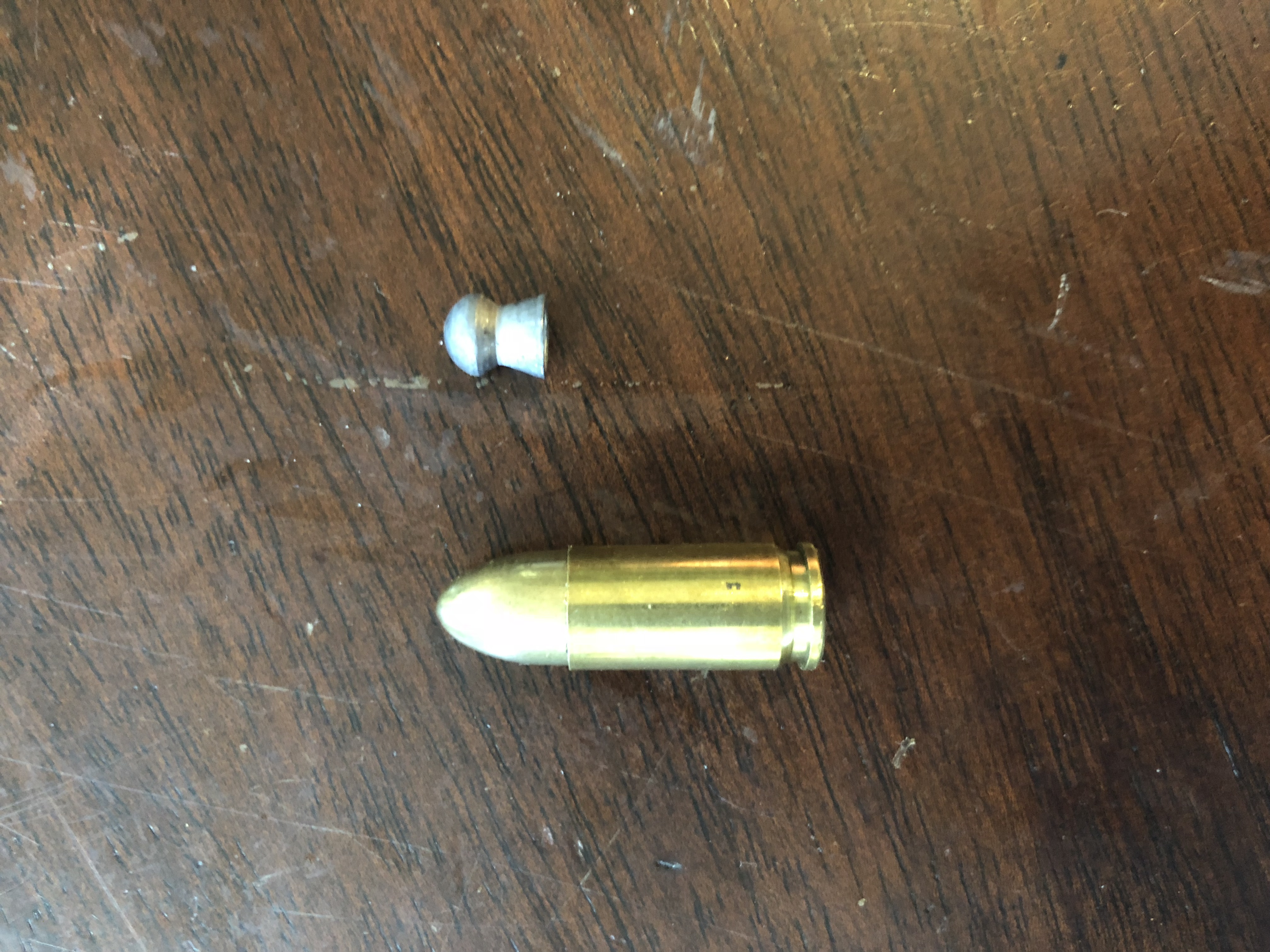
Wondering if inexpensive rounds cause more wear on your gun is totally fair. The short answer is: sometimes, but it’s not about price alone—it’s about the specific load. Cheap ammo often uses faster-burning powders or lighter projectiles, which can lead to more carbon fouling and a dirtier chamber, but that won’t wreck your barrel overnight. The real wear risk comes from **higher pressure or steel-cased rounds** that some budget brands favor. Steel cases don’t expand like brass, so they can accelerate extractor wear. That said, occasional plinking with cheap stuff is fine—just clean your gun a bit sooner. Budget ammo impact on firearm longevity depends more on consistency than cost.
**Q: Will inexpensive rounds cause more wear on my gun?**
A: Not dramatically, unless you’re shooting thousands of steel-cased rounds without cleaning—then yes, expect extra wear 5.7x28mm Ammo for Sale on your extractor and chamber. Stick to brass if you’re worried.
Can I Find Cheap Self-Defense Loads That Still Expand Properly?
Yes, you can find cheap self-defense loads that still expand properly, but you must prioritize bullet design over price alone. Budget-friendly defensive rounds, such as Federal HST’s lighter variants or Hornady Critical Defense’s older stock, often appear at discounts without sacrificing controlled expansion. Look for loads with proven hollow-point geometry and nickel-plated casings, which resist setback during repeated chambering. *A low price typically reflects bulk production, not inferior terminal performance, if the projectile remains a recognized defensive pattern.* Test your chosen cheap .17 WSM Ammo for Sale batch in gel or water jugs to verify expansion, since seating depth or powder variances can alter velocity. Avoid bargain reloads or unknown brands, as their jackets may peel instead of mushrooming reliably.
How Many Rounds Should I Test Before Trusting A New Budget Brand?
For a new budget brand, plan on a **minimum 200-round reliability test** before trusting it for anything serious. Start with 50 rounds to confirm basic function and check for squibs or pressure signs. If clean, push through 150 more across different magazines, including weak-hand and rapid-fire drills to expose feeding quirks. Track failures—one or two stovepipes in the first 50 might be a break-in fluke, but three or more by round 100 means dump it. Only after those 200 clean rounds should you consider carrying it. For range plinking, 100 rounds is plenty to gauge accuracy and ejection consistency.